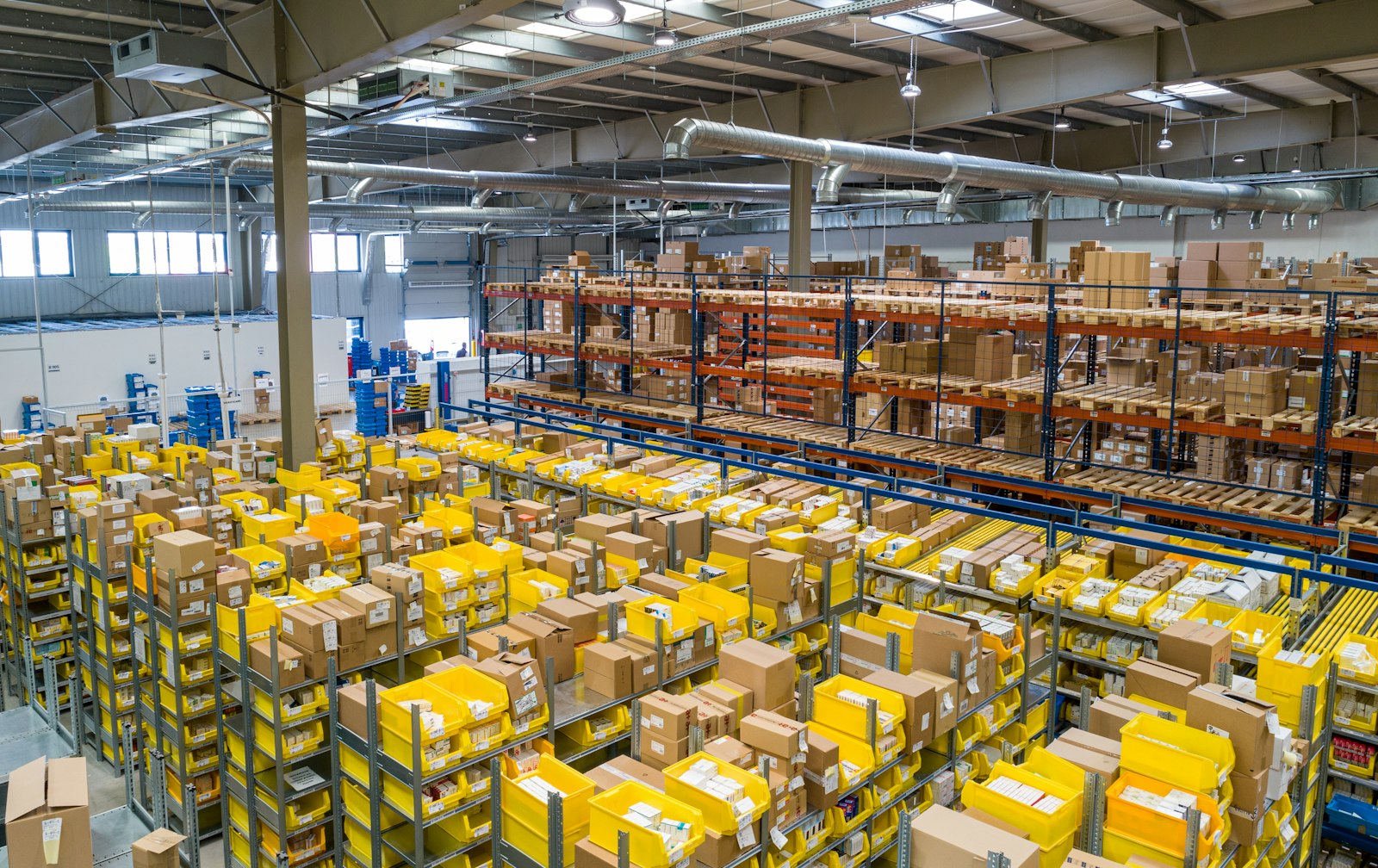

Authors usually spend months on the manuscript and the launch, and far less time on how a finished copy actually reaches a reader. Yet printing, binding and fulfilment shape your unit cost, your delivery times, which markets you can serve and whether a large order is an opportunity or a problem. This guide sets out the main options and the decisions that connect them.
Three ways to produce printed copies
Most printed books reach readers through one of three production models, and many authors combine them.
Production models compared
- Print-on-demand
- Each copy is printed after it is ordered. No stock to store or finance, but a higher cost per copy and less control over finish.
- Short-run digital printing
- A modest batch printed in advance. Useful for events, signed editions and early bulk orders, with stock you must store.
- Offset printing
- A larger run on traditional presses. The lowest cost per copy at volume, with the largest upfront commitment and storage need.
Binding is a commercial choice, not only a design one
Paperback (perfect) binding suits most trade books and is widely available from print-on-demand services. Hardback, case binding, lay-flat or spiral binding can suit gift editions, workbooks, devotionals or training manuals, but options and costs vary considerably by printer.
Choose binding by how the book will be used. A workbook that must stay open on a desk, or a training manual handled by many people, has different needs from a novel read once. Ask for a printed proof before committing to any run.
Fulfilment: who stores, packs and ships
Fulfilment is everything that happens between an order and a delivered parcel. You can do it yourself from your own stock, use a fulfilment company that stores and ships on your behalf, rely on a print-on-demand provider that ships each order directly, or supply a distributor or wholesaler that serves retailers and libraries.
Each route moves work and cost to a different place. Self-fulfilment keeps margin but takes your time. A fulfilment partner charges for storage and handling. Print-on-demand ships for you but at a higher unit cost. Before choosing, write down who handles each step for one order, and what that step costs.
Logistics across markets
If your readers are in more than one country, shipping a copy across borders can cost more than the book itself and take weeks. Many print-on-demand networks print closer to the buyer, which can shorten delivery and reduce shipping costs. Check which countries each provider prints in, and confirm current rates, customs and tax rules for your main markets, because these change.
Marketing creates demand. Fulfilment decides whether that demand becomes a delivered book.
Planning for bulk and institutional orders
A school, church, library or company that wants a quantity of copies will usually expect a quote, an invoice, a delivery date and sometimes specific packaging. Print-on-demand pricing may not suit large quantities; a short or offset run often will. Knowing in advance who you would call, and roughly how long a run takes, lets you answer an enquiry with confidence instead of guessing.
Why fulfilment comes before marketing
Promotion creates demand, but fulfilment decides whether that demand turns into delivered books and satisfied readers. Slow delivery, missing formats or unavailable stock in a key market quietly waste marketing effort. Settle production and delivery first, then promote with the confidence that every order can be met.
Fulfilment readiness checklist
Work through these questions before a launch or a major promotion.
- Which production model will I use for each format and market?
- Have I seen a printed proof of the binding I intend to sell?
- Do I know the full delivered cost of one copy in each main market?
- Who handles storage, packing, shipping and returns?
- How would I fulfil an order of 100 or more copies, and how long would it take?
- Are my retail, distributor and direct listings consistent about formats and availability?
Conclusion
Printing, binding and fulfilment are not back-office details. They set your costs, your reach and your ability to say yes to larger orders. Map how one copy reaches one reader in each of your markets, and you will know which part of the system to strengthen before you spend on promotion.