Tools such as Shopify and Payhip have made it simple to put a checkout on an author website. That convenience shifts the real question. It is no longer whether you can open a store, but whether a store would do something for your book that your existing channels cannot, and whether you are prepared to operate it.
What a direct store can offer that retail cannot
The commercial case for a direct store rests on things marketplaces generally do not provide: bundles that combine a book with a workbook or course, signed or special editions, early access for existing readers, and, with the buyer's consent, a direct relationship you can return to when the next book is ready.
If none of these matter for your book, a store may add work without adding much value.
Choosing a platform
Payhip is built around digital products and handles ebook and audio delivery with little setup, which suits authors selling mainly digital formats. Shopify is a fuller commerce system, better suited to physical stock, multiple products and integrations with print-on-demand or fulfilment services, with more configuration and typically more monthly cost. Some authors run a simple digital store first and move to a fuller platform once physical sales justify it.
Whichever you choose, check current fees, supported payment methods in your buyers' countries and how the platform handles tax on digital goods, because these details change and vary by region.
Delivery and fulfilment
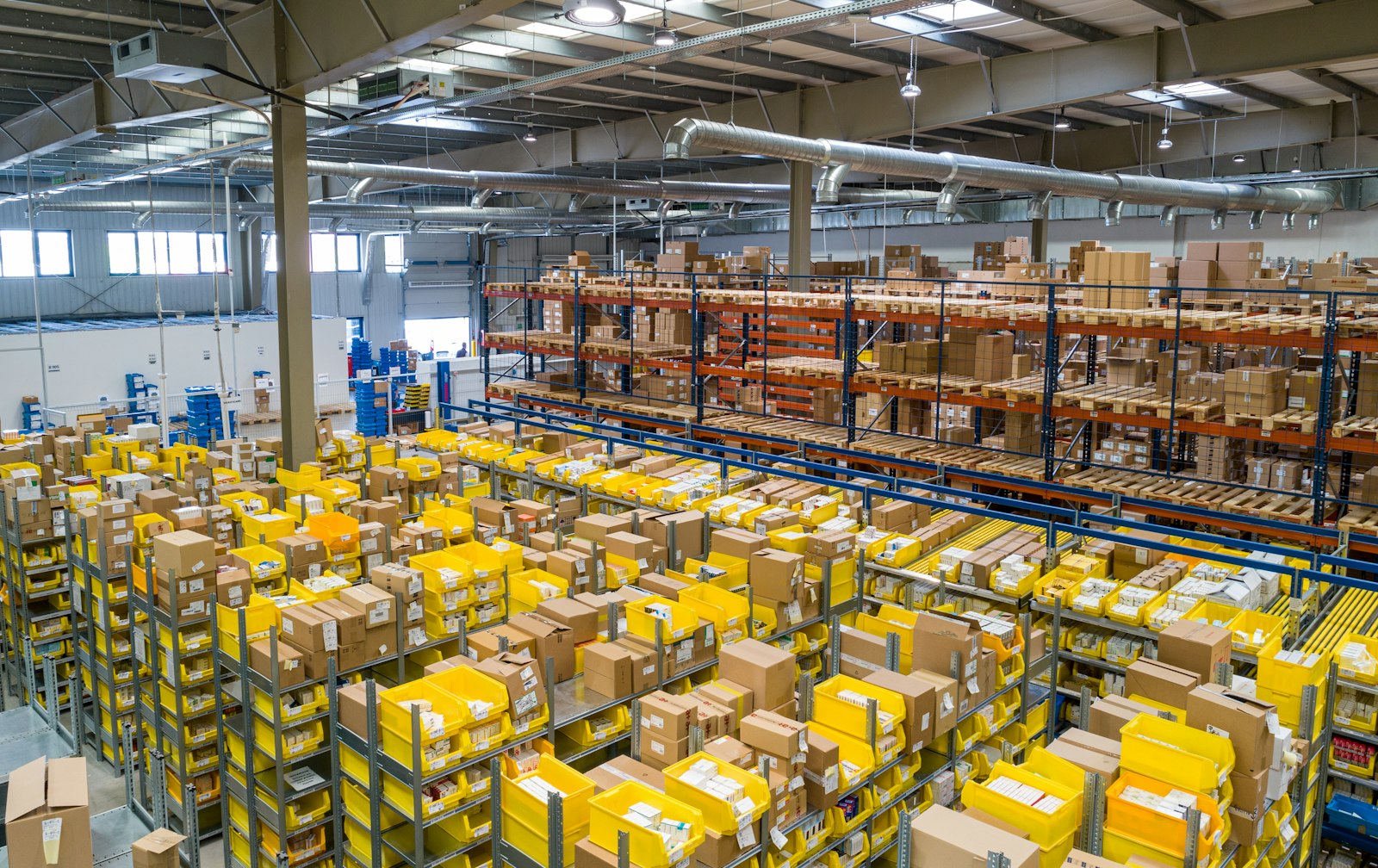
Digital delivery needs a dependable file service, sensible download limits and a simple way to help readers who lose access. Print needs a decision: hold stock and ship yourself, use a fulfilment company, or connect a print-on-demand provider that prints and ships each order.
Holding stock gives the best unit cost but ties up cash and time. Print-on-demand removes inventory risk at a higher cost per copy. Write down the full delivered cost of one order for each option before you set a price.
Pricing, payments and support
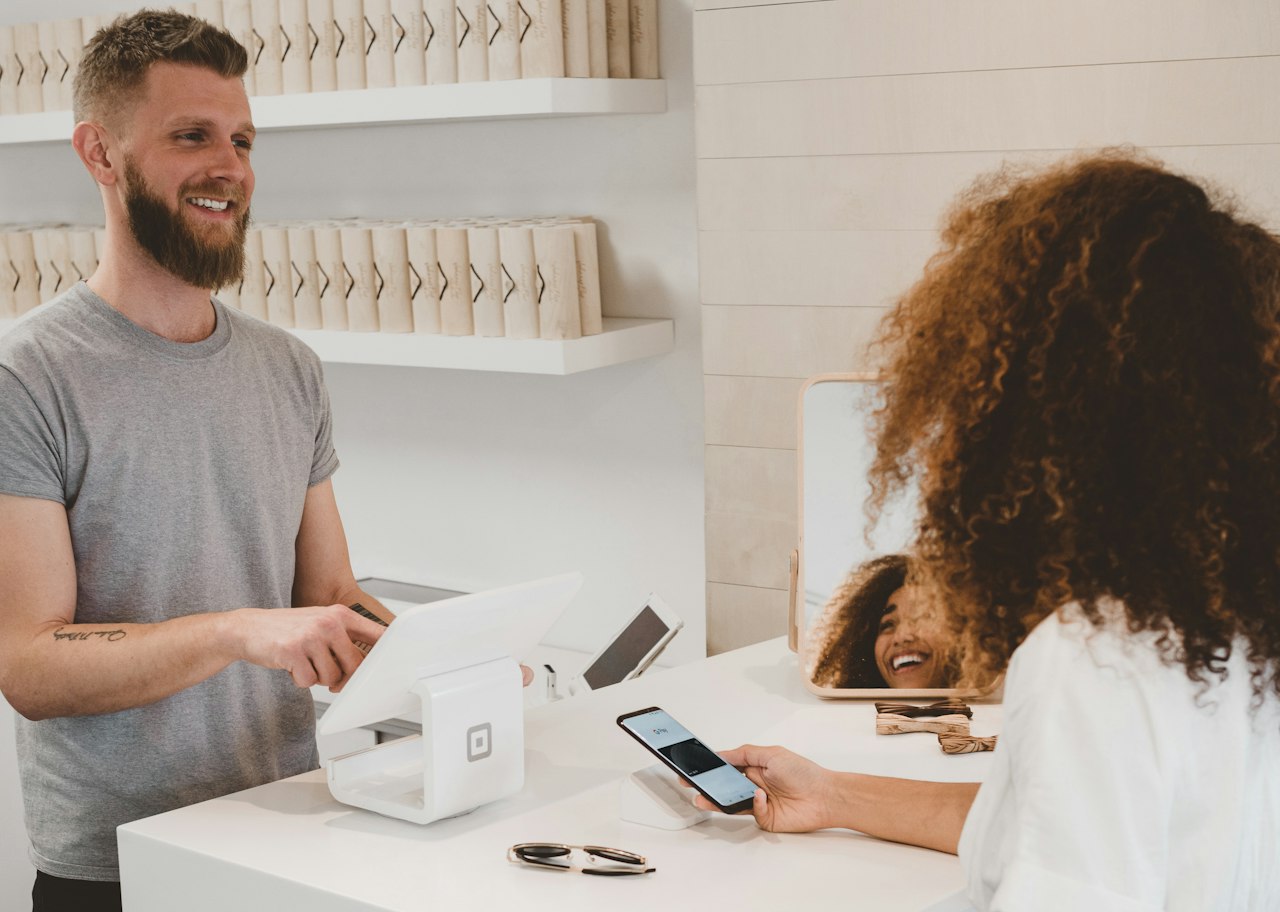
Your price must absorb payment processing, platform fees, any delivery cost you do not pass on and the value of your time spent on customer questions. Decide in advance how you will handle refunds, damaged deliveries and download problems, and publish that policy on the store.
A store earns its place when it offers readers something they cannot get elsewhere.
Customer ownership and repeat purchasing
The most durable value of a direct store is often not the first sale but the second. A buyer who opts in to hear from you can be told about a new edition, a companion resource or an event. That only works if you collect consent properly, keep the list secure and send messages people find useful.
When retail should remain part of the plan
For most authors a store complements retail rather than replacing it. Many readers will always prefer a familiar marketplace, and retail visibility can feed interest that later converts directly. Removing a book from retail to force direct sales usually reduces total reach.
Readiness test
Before building, answer each question honestly. Three or more uncertain answers suggest waiting or starting smaller.
- Do I hold the rights to sell each format I plan to offer directly?
- Can I name at least one thing my store will offer that retail does not?
- Do I have an existing audience I can tell about the store?
- Have I calculated the full delivered cost of one order in each format?
- Do I know who will answer customer questions, and how quickly?
- Do I have a written refund and delivery policy?
- Am I prepared to keep the store maintained for at least a year?
Conclusion
An online bookstore is a small business in its own right. Start with one book, a narrow set of formats and dependable delivery, keep retail in place, and expand only once orders run smoothly.